Anchor Font: Nautical Charm for Creative Projects
Sometimes a project calls for more than just text—it needs a touch of character, a hint of theme, or a dash of personality that standard typefaces can't provide. This is where a specialized dingbat font like Anchor shines. It's not your typical display font or serif font; it's a collection of visual motifs, a toolbox of nautical symbols designed to inject a specific mood into your work. For designers, entrepreneurs, and creators, understanding how to use such a creative font can be the difference between a generic layout and one that tells a compelling story.
More Than Just a Symbol: The Visual Personality of Anchor
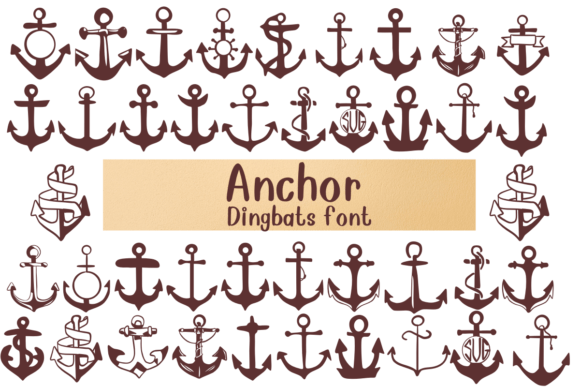
At its core, the Anchor typeface is a playful collection where each keystroke produces a different anchor illustration. This isn't about legibility in the traditional sense; it's about visual impact and thematic consistency. The designs range from classic, weighty anchors you might find etched on old maritime maps to more whimsical, simplified versions that feel modern and approachable. Some styles are intricate with flourishes, perfect for a vintage or luxurious aesthetic, while others are bold and geometric, suited for contemporary branding.
The overall appeal lies in its versatility as a design asset. Think of it as a dedicated icon set built directly into your font library. This makes it incredibly efficient for projects where a nautical theme is central. You're not searching through stock icon websites; you're typing. This seamless integration into your workflow is a major practical advantage, especially when working on tight deadlines for logo design, packaging design, or event materials.
Where Anchor Sets Sail: Practical Applications
The true value of a font like Anchor is realized when you apply it to the right context. It excels in projects where atmosphere and theme are paramount. For a boutique coastal inn, using Anchor characters in the header of the website or on the room key cards instantly reinforces the brand's identity. In editorial design, a travel magazine could use these anchors as decorative bullets in an article about sailing the Greek islands, adding a layer of visual interest without overwhelming the body copy from a more neutral sans serif font.
For social media graphics and digital content, Anchor is a gem. A seafood restaurant can create a cohesive Instagram grid by using a consistent anchor symbol in the corner of each post, building visual recognition. It works beautifully on merchandise like tote bags, t-shirts, and mugs for beachside shops or sailing clubs. The key is to use it as an accent, not the main event. Pair it with a clean font pairing—perhaps a sturdy serif font for headings and a simple sans serif for body text—to ensure your message remains clear and professional. The Anchor characters should highlight and decorate, not replace essential readable text.
Strategic Considerations for Using a Thematic Font
Choosing a specialty font like Anchor requires a bit more forethought than selecting a standard premium font. First, evaluate the project's fit. Is the nautical theme integral to the message, or is it a passing fancy? Overusing a thematic element can make a brand feel niche to the point of being limiting. For a company that sells only sailing equipment, it's perfect. For a general marketing agency, it might be best reserved for specific, themed campaigns.
Next, consider your audience. The playful, illustrated nature of Anchor resonates strongly with audiences looking for charm and personality—think craft breweries, coastal cafes, children's boat-themed parties, or indie publishers of adventure novels. It might feel out of place in a corporate financial report or a legal firm's website, where trust and seriousness are communicated through more traditional, conservative typography.
Testing is crucial. Before committing, create mockups. See how the anchor symbols interact with your chosen font pairing. Do they scale well? Are they too detailed to be recognizable at small sizes on a mobile screen? Check the commercial font license to ensure it covers your intended use, whether for a client project, merchandise for sale, or a large-scale digital deployment. A font is a brand identity tool, and its licensing should be treated with the same care as any other asset.
Final Thoughts: Anchoring Your Design
Ultimately, the Anchor font is a specialized tool for a specific job. It won't write your headlines or set your body copy, but when used thoughtfully, it can anchor your entire design concept with authenticity and charm. It demonstrates how modern typography extends beyond letterforms into the realm of visual storytelling. By selecting the right style from its set, pairing it wisely, and applying it in context, you can leverage this creative font to create memorable, engaging, and thematically cohesive projects that truly connect with your intended audience.